
Clean Air Strategies: Filtration, Humidity Control, and In-Duct Purification
As spring temperatures rise across Greater Boston, exploding oak, birch, and maple pollen counts make outdoor air a challenge for millions of allergy sufferers. What many homeowners do not realize is that indoor air can harbor two to five times higher concentrations of airborne irritants without proper HVAC filtration.
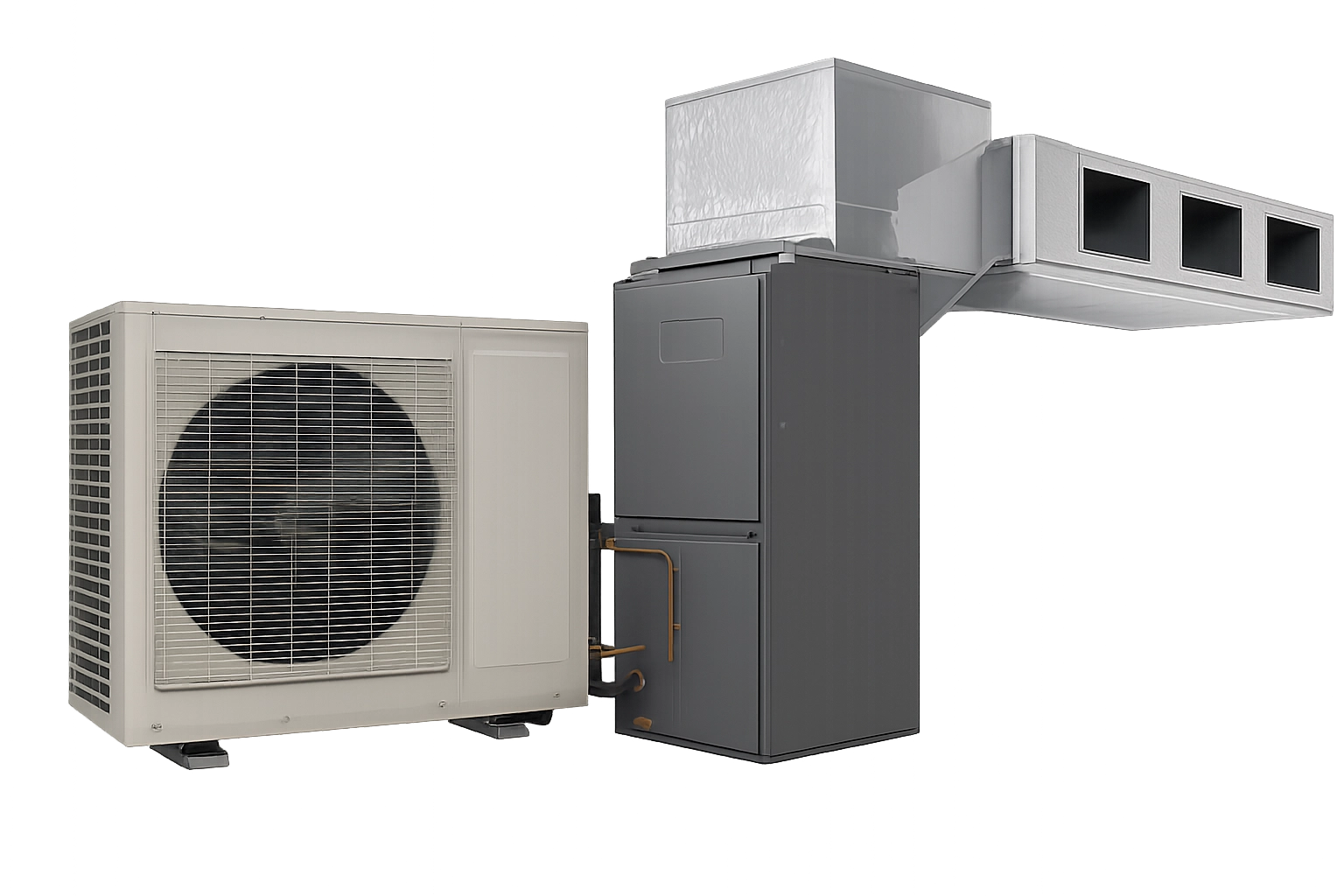
Professional in-duct filtration and whole-home air purification capture micro-allergens before they circulate through living spaces.
1. Upgrade Air Filtration: Understanding MERV Ratings Without Choking Airflow
The first line of defense against tree pollen, grass spores, and airborne particulate matter (PM2.5) is your furnace or air handler filter. Basic 1-inch fiberglass filters (MERV 1–4) protect HVAC blower motors from large lint balls, but they let microscopic pollen grains and dust mite feces blow right through. Upgrading to a quality pleated media filter rated MERV 8 to MERV 11 captures up to 85% of pollen, mold spores, and pet dander.
However, homeowners must avoid the common mistake of blindly installing hospital-grade MERV 13+ or standard HEPA filters into standard 1-inch filter tracks. Ultra-dense filters create excessive static pressure drop that starves the blower motor of air, risking frozen cooling coils or premature motor burnout. A licensed HVAC technician evaluates static duct pressure to ensure higher-efficiency media operates safely.
2. Control Indoor Humidity: Suppressing Mold Spores and Dust Mites
Spring weather brings swings between cool, dry breezes and damp, rain-soaked mornings. When indoor relative humidity climbs above 55%, dormant mold spores germinate behind drywall and inside bathroom cavities, while dust mite populations multiply exponentially. Conversely, air that is too dry (below 30%) irritates nasal passages, rendering your respiratory system more vulnerable to allergens.
Maintaining indoor relative humidity strictly between 35% and 50% keeps common biological allergens dormant. Operating your central air conditioning or installing a dedicated whole-home dehumidifier ensures moisture is extracted continuously before allergens can thrive.
3. Clear Air Ducts and Evaporator Coils: Eliminating Winter Allergen Reservoirs
Throughout months of closed-house winter heating, return ductwork accumulates layers of pet dander, sloughed skin cells, and microscopic soot. When you switch your system to cooling mode in late spring, condensation forms on the indoor evaporator coil. If that coil is coated in winter dust, moisture and organic debris combine to create dark, moist conditions where microbial bio-slime thrives.
Professional indoor evaporator coil sanitizing and duct system inspection eliminate built-up reservoirs before your blower fan aerosolizes them into bedrooms and living spaces. Keeping return plenums sealed prevents negative pressure from pulling attic dust or crawlspace allergens into the duct airstream.
4. Advanced In-Duct Air Purification (UV-C Lamps and Bipolar Ionization)
Passive media filters only catch particles that pass directly into the filter rack. Active whole-home air purifiers treat the airstream dynamically. Germicidal UV-C light systems mounted above the cooling coil constantly irradiate the coil surface and drain pan, destroying mold DNA and preventing fungal growth before it can start.
Similarly, Needlepoint Bipolar Ionization (NPBI) generates millions of positive and negative ions that travel throughout ductwork. These ions bond with sub-micron pollen and smoke particles, clustering them into larger clumps that your standard MERV filter can easily trap. Unlike outdated standalone ionizers, modern certified in-duct systems produce zero harmful ozone.
Safety and DIY Limits: What You Can Safely Check vs. Calling a Licensed Pro
While homeowners can take practical everyday steps to reduce indoor pollen, servicing central HVAC components and indoor air quality technology requires strict safety adherence.
Safe Homeowner Checklist (DIY)
- Replace Filters Frequently: Swap 1-inch pleated MERV 8–11 filters every 30 to 60 days during peak pollen surges.
- Vacuum Return Grilles: Remove surface dust and pet hair from return air vents using a vacuum with a HEPA exhaust filter.
- Monitor Humidity: Use a digital indoor hygrometer to verify relative humidity remains strictly between 35% and 50%.
- Keep Windows Closed: Run your central HVAC system on high-pollen days rather than opening windows during morning counts.
When to Call a Licensed Pro (Technical Limits)
- Static Pressure Testing: Never install high-resistance MERV 13+ or HEPA media without manometer testing on your blower motor.
- Evaporator Coil Sanitizing: Cleaning delicate aluminum fins and clearing blocked condensate lines requires licensed HVAC handling.
- Avoid Ozone Generators: Never use standalone ozone machines; the EPA warns ozone damages lung tissue and aggravates asthma.
- Whole-Home In-Duct Purifiers: Installing 24V/120V UV lamps, electronic air cleaners, or whole-home dehumidifiers requires licensed electrical and HVAC wiring.
Breathe Cleaner, Healthier Air at Home This Spring
Don’t let seasonal pollen counts force you to suffer indoors. Akian Plumbing, Heating, Cooling & Electric provides certified indoor air quality assessments, advanced whole-home filtration retrofits, and comprehensive duct solutions across Belmont, Watertown, Cambridge, and Greater Boston. Led by founder Stephen S. Akian, CPD (Certified in Plumbing Design, Master Plumber License #PL16320-M), our team delivers customized IAQ systems engineered for long-term health and efficiency.
Whether you need seasonal coil maintenance, static pressure testing for high-efficiency media, or germicidal UV-C purification, our licensed specialists ensure your HVAC system actively protects your family.
Frequently Asked Questions About Spring Allergies & HVAC
What MERV rating filter is best for spring allergies without damaging my HVAC system?
For most standard residential systems, a pleated MERV 8 to MERV 11 filter is ideal. It captures up to 85% of tree pollen, mold spores, and dust mite debris without restricting airflow. Filters rated MERV 13 or higher provide superior capture but create higher static pressure drop, requiring a technician to verify blower motor compatibility.
Should I set my HVAC fan to ON or AUTO during allergy season?
Setting your fan to ON runs the blower continuously, passing air constantly through your high-efficiency filter to capture airborne allergens. However, ensure your filter is clean and your relative humidity remains below 50%, as continuous fan operation in humid weather can re-evaporate moisture off cooling coils.
What indoor humidity level prevents both spring mold and dust mites?
Maintain indoor relative humidity strictly between 35% and 50%. Relative humidity above 55% stimulates mold spore germination and exponential dust mite reproduction, while air below 30% dries out mucous membranes, intensifying allergic reactions.
Do whole-home in-duct UV lights actually help with spring allergies?
Yes. Germicidal UV-C coil lamps eliminate mold spores, bacteria, and viral pathogens that pass through the light or settle on the wet evaporator coil. While UV lights do not capture inorganic particulate like dust, pairing UV purification with a high-efficiency media filter provides comprehensive biological and particle allergy defense.
Fill out the form below or call our customer care line at (617) 458-8189 for prompt scheduling.