
Cold-Climate Heat Pumps vs. High-Efficiency Furnaces: Performance in Sub-Zero Weather
As winter temperatures plummet across Middlesex, Suffolk, and Norfolk counties, Massachusetts homeowners face a defining decision: upgrade to an all-electric cold-climate heat pump or install a high-efficiency natural gas furnace?
The New England Winter Heating Dilemma
Winter in Greater Boston brings harsh sub-freezing stretches that push home mechanical systems to their absolute limits. Choosing the right heating configuration is no longer just about staying warm—it is about finding the optimal balance between installation costs, monthly operating expenses, home structure, and lucrative state incentives.
For decades, the standard choice for ducted homes was a traditional natural gas furnace, while historic multi-family properties relied on hydronic radiators. However, major technological breakthroughs in cold-climate inverter compressors and massive rebates funded through the Mass Save® rebate program have transformed how homeowners heat and cool their spaces.
How Cold-Climate Heat Pumps Compare to Modern Gas Furnaces
All-Electric Clean Energy
Cold-Climate Heat Pumps
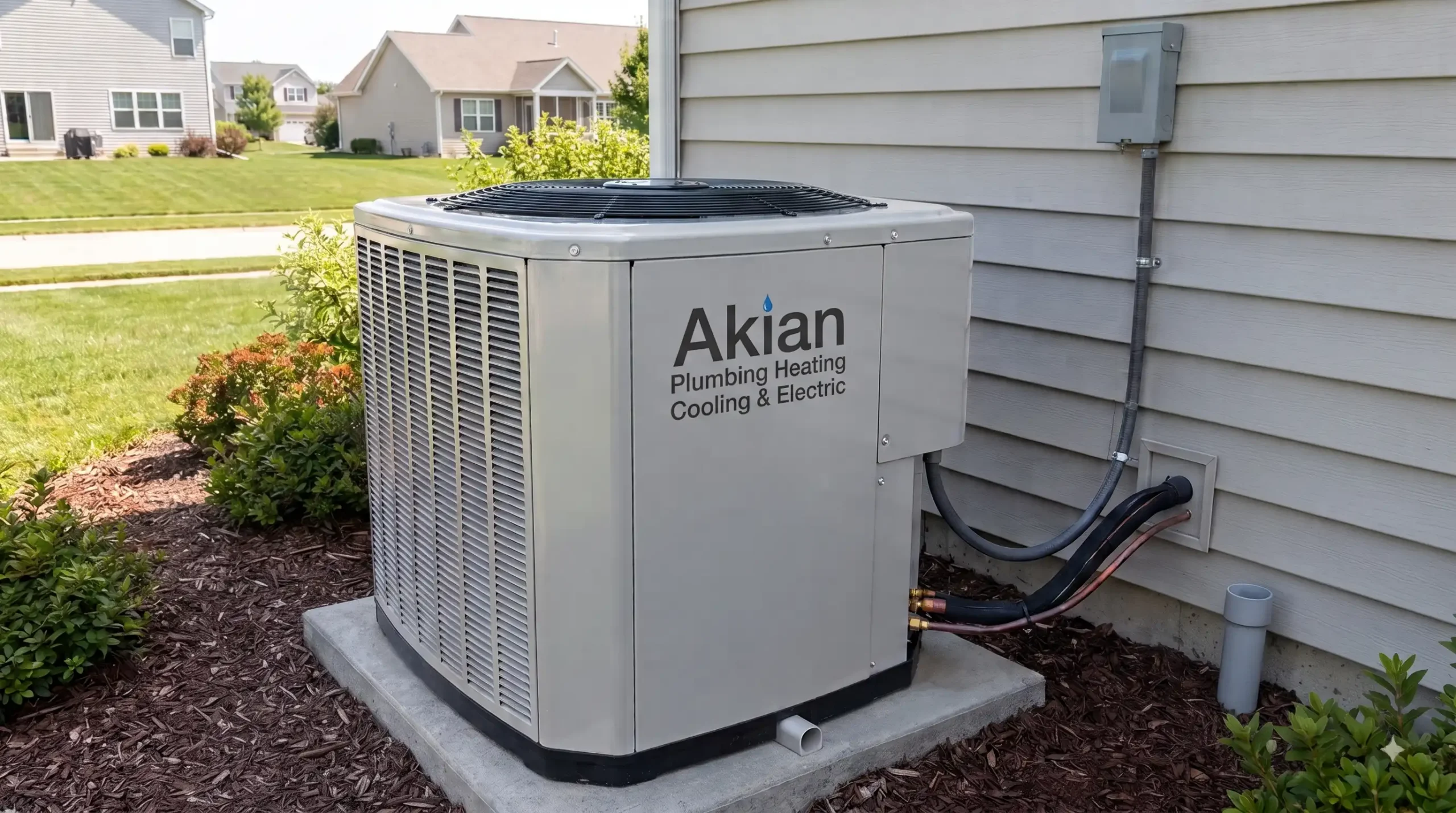
Rather than burning fossil fuel on-site, a whole-home heat pump installation transfers heat from outside air into your home using variable-speed inverter compressors.
- Year-Round 2-in-1 Comfort: Supplies warm heating in winter and high-efficiency central air conditioning in summer.
- Sub-Zero Engineering: Delivers continuous heat output down to -13°F and beyond.
- Zoned Flexibility: Connects to existing ductwork or customizable ductless mini-splits for room-by-room control.
- Major Rebates: Eligible for up to $10,000 in whole-home rebates and 0% financing.

Traditional Forced-Air Power
High-Efficiency Gas Furnaces
For properties connected to natural gas utilities, a modern condensing furnace installation delivers dependable, rapid-cycling warmth through existing supply ducts.
- High-Temperature Output: Discharges hot air (120°F+) rapidly during severe blizzards.
- Top AFUE Ratings: Condensing furnaces achieve up to 96%–98% annual fuel utilization efficiency.
- Lower Upfront Equipment Cost: Generally involves lower initial equipment purchase pricing.
- Fast Repairs: Straightforward access to routine maintenance and emergency furnace repair.
What If Your Home Has Cast Iron Radiators or Baseboards?
Many historic homes throughout Eastern Massachusetts utilize hydronic heating rather than ductwork. If your home uses steam or hot water radiators, you do not need to tear down walls to install central ducts. Our master technicians provide specialized boiler services to install high-efficiency condensing gas boilers, or pair your hydronic system with modern heat pump services for multi-zone ductless mini-split heating and cooling.
We also ensure your plumbing infrastructure is fully modernized with high-recovery water heaters and comprehensive residential plumbing support.
Electrical Readiness: Upgrading for Whole-Home Heat Pumps
When converting from natural gas or oil to an all-electric heat pump system, older homes often require increased electrical capacity. If your current service is 100 amps, adding a multi-zone heat pump system, electric backup elements, or an EV charger may overload your breaker panel.
Because Akian provides in-house licensed electrical services, we handle full 200-amp electrical panel upgrade projects and dedicated sub-panels alongside your HVAC installation, eliminating the hassle of coordinating multiple third-party contractors.
Heating Installation & Service Across Eastern Massachusetts
Whether you need a full heat pump conversion, annual boiler maintenance, or urgent heating repairs, our certified team is ready across our primary service territories:
Middlesex County
Watertown: Heating Installation | Heating Repair
Newton: AC Install | Heating Repair
Cambridge: AC Install | Heating Repair
Somerville: AC Install | Heating Repair
Waltham: AC Install | Heating Repair
Belmont: AC Install | Heating Repair
Arlington: AC Install | Heating Repair
Lexington: AC Install | Heating Repair
Burlington: AC Install | Heating Repair
Bedford: AC Install | Heating Repair
Framingham: AC Install | Heating Repair
Malden: AC Install | Heating Repair
Medford: AC Install | Heating Repair
Stoneham: AC Install | Heating Repair
Suffolk County
Boston: AC Install | Heating Repair
Brighton: AC Install | Heating Repair
Allston: AC Install | Heating Repair
South Boston: AC Install | Heating Repair
Dorchester: AC Install | Heating Repair
Jamaica Plain: AC Install | Heating Repair
Hyde Park: AC Install | Heating Repair
Norfolk County & Regional
Brookline: AC Install | Heating Repair
Needham: AC Install | Heating Repair
Dedham: AC Install | Heating Repair
Chestnut Hill: AC Install | Heating Repair
General FAQs
What are the main differences between a heat pump and a gas furnace for heating my home in winter?
Heat pumps use electricity to transfer heat from outside to inside, making them efficient in moderate climates, while gas furnaces burn natural gas to generate heat, providing consistent warmth even in very cold temperatures. The choice often depends on local climate and fuel availability.
How do I decide if a heat pump or gas furnace is the right choice for my home during cold winters?
Consider factors like your local winter temperatures, energy costs, installation expenses, and your home’s insulation. If you experience mild winters, a heat pump may suffice; if temperatures frequently drop below freezing, a gas furnace might be more effective.
Are heat pumps efficient enough to keep up during severe winter weather compared to gas furnaces?
Heat pumps can struggle in extremely low temperatures, losing efficiency as it gets colder. Gas furnaces, however, provide reliable heat regardless of outdoor conditions. If severe cold is a regular occurrence, a gas furnace may be the better option.
What are the long-term cost implications of choosing a heat pump over a gas furnace?
While heat pumps typically have higher upfront costs, they can lead to lower energy bills in the long run due to their efficiency. Gas furnaces usually have lower installation costs but may incur higher operational expenses, especially if gas prices rise.
Is it worth investing in a dual-fuel system combining a heat pump and gas furnace for winter heating?
Yes, a dual-fuel system can optimize efficiency by using the heat pump when temperatures are milder and switching to the gas furnace during extreme cold. This setup can provide balanced heating and cost savings depending on seasonal temperatures.
How can I maintain a heat pump or gas furnace for optimal performance in cold winters?
Regular maintenance is crucial for both systems. For heat pumps, ensure the outdoor unit is clear of debris and check refrigerant levels. For gas furnaces, regularly replace filters, check for gas leaks, and schedule annual inspections to ensure safe and efficient operation.
Heat Pumps vs. Gas Furnaces: The Superior Choice for Efficient Winter Heating
When considering heating solutions for cold winters, heat pumps often emerge as the more energy-efficient and environmentally friendly option compared to traditional gas furnaces. With advancements in technology, modern heat pumps can operate efficiently even in frigid temperatures, and they provide both heating and cooling capabilities, making them versatile year-round solutions. As an HVAC specialist with over a decade of experience and numerous certifications, I can confidently assert that opting for a heat pump can significantly reduce energy costs while contributing to lower carbon emissions, thus appealing to both eco-conscious homeowners and those seeking economic benefits.
Ready to Upgrade Your Massachusetts Home Heating?
From load calculations and system sizing to Mass Save® rebate filings and precision installations, Akian ensures your home stays warm all winter.
References & Regulatory Sources
- Commonwealth of Massachusetts. (2025). Energy and clean heating programs. Mass.gov. https://www.mass.gov/topics/energy
- Mass Save. (2025). Residential heating and cooling rebates and incentives. Sponsors of Mass Save. https://www.masssave.com/residential/rebates-and-incentives
- U.S. Department of Energy. (2024). Energy Saver consumer guide. Office of Energy Efficiency & Renewable Energy. https://www.energy.gov/energysaver
- U.S. Environmental Protection Agency & U.S. Department of Energy. (2024). ENERGY STAR® certified energy efficient products. ENERGY STAR. https://www.energystar.gov/products